How to Become an Aircraft Technical Representative
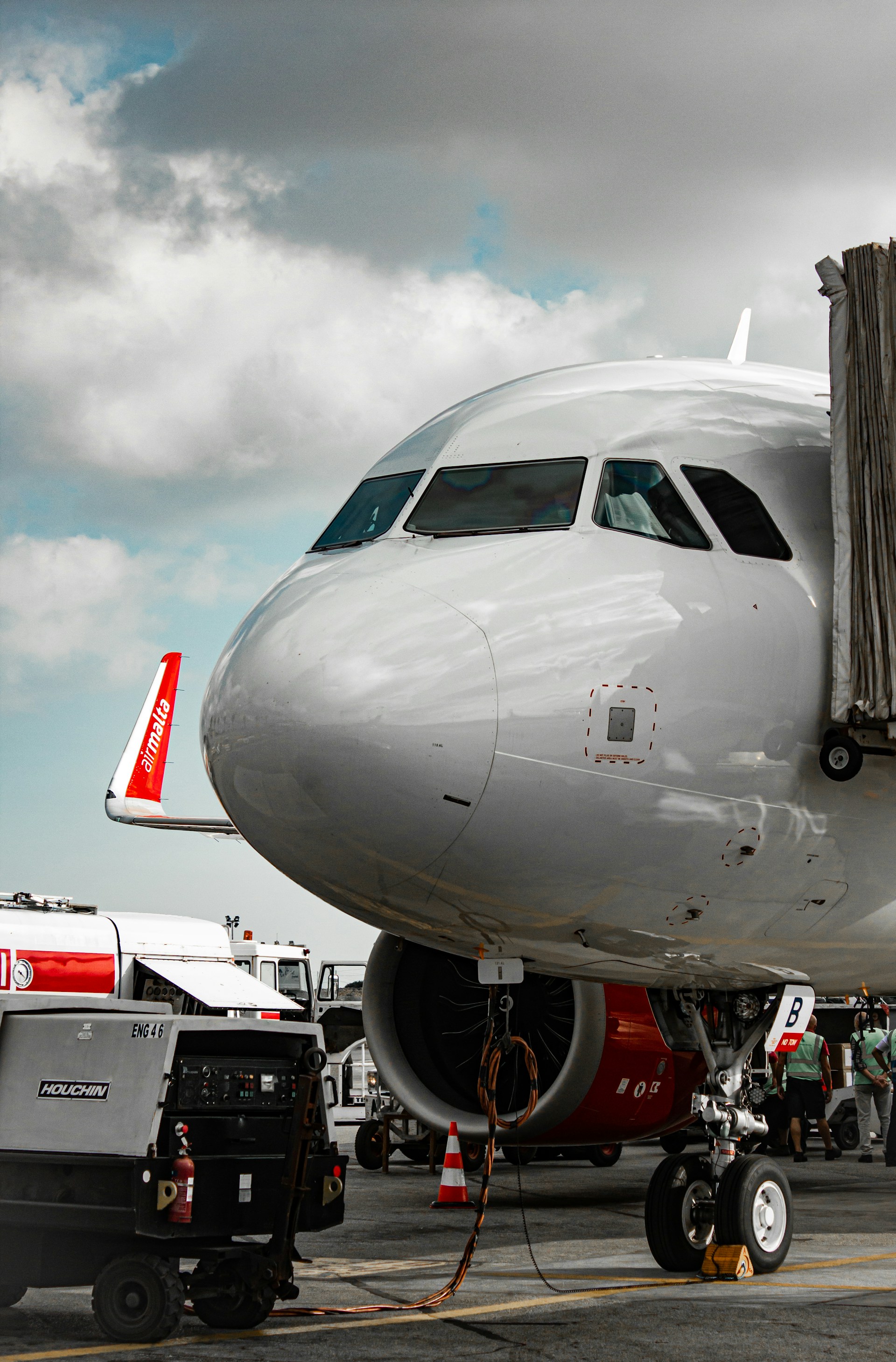
Photo by Isaac Struna on Unsplash
I spent six years as a Licensed Maintenance Engineer before I made the switch.
Not because the engineering work was not good. It was. But at a certain point, after enough C-checks and enough sign-offs, I found myself more interested in the oversight side than the hands-on side. I wanted to be the person asking the questions, not just answering them.
That is roughly how most technical representatives end up in the role. Not through a straight line, but through years of field experience and a moment where the path shifts.
This article is a practical guide to that path: what the role involves, what background you need, how to find work, and what nobody tells you before you start.
What an Aircraft Technical Representative Actually Does
An aircraft technical representative — commonly called a tech rep — is an independent aviation professional who represents the interests of an aircraft owner, lessor, or operator during maintenance events, inspections, transactions, or lease transitions.
In practice, the work covers a wide range:
- Pre-purchase inspections (PPI): Attending the inspection on behalf of a buyer to verify aircraft condition, records, and airworthiness status before a transaction completes.
- Lease return and redelivery inspections: Representing a lessor or incoming operator during the handover process, checking that the aircraft meets the return conditions specified in the lease. See the full guide to aircraft lease return inspections.
- Mid-lease and C-check oversight: Attending a heavy maintenance event at an MRO on behalf of an owner or lessor to monitor technical compliance, cost, and schedule.
- Aircraft delivery inspections: Verifying the physical and records condition of an aircraft being delivered from one operator to another.
- Records reviews: Auditing maintenance records, airworthiness directives, and modification histories, often done remotely before an on-site inspection.
The common thread is independence. A tech rep does not work for the airline or the MRO. They work for whoever hired them — typically a lessor, private buyer, or asset management firm — and their job is to protect that client's interests.
My Path: Six Years as a Licensed Engineer, Then a Change
I qualified as a Licensed Maintenance Engineer and spent six years working on commercial aircraft before I made the move into technical representation.
That background was the foundation of everything that followed. Understanding what an engineer is actually doing when they sign a release, knowing how an MRO operates under pressure, reading a maintenance record and knowing what should be there — none of that comes from a course. It comes from years on the shop floor.
The transition from engineer to tech rep is not a step down or a step sideways. It is a different kind of responsibility. When you are the tech rep, you are the one who has to make a judgment call about whether a finding is airworthy, whether a record is compliant, whether the client's interests are being protected. You need the technical depth to back that up.
If you are an engineer considering the move, the single most valuable thing you can do is accumulate as many different aircraft types, maintenance environments, and inspection types as possible before you go independent. The variety is what makes you useful.
Why COVID Changed the Tech Rep Landscape
The pandemic grounded the aviation industry in a way that forced a lot of experienced professionals to rethink their position.
Airlines cut staff. MRO work dried up. Engineers who had spent decades in permanent roles suddenly found themselves on reduced hours or redundant. At the same time, the lease return market did not stop — it accelerated. Aircraft were being returned to lessors at scale, and lessors still needed technical representation.
A significant number of experienced engineers made the move into freelance technical representation during that period. The market needed people with the right background, and the people with the right background were available in a way they had not been before.
That shift produced a generation of tech reps who might otherwise have stayed in permanent employment. It also confirmed something the industry had been moving toward for years: that independent technical representation is a viable, sustainable career.
The Two Routes Into the Role
1. Going Independent
The most direct route is to set yourself up as an independent consultant and work directly with clients — lessors, asset managers, private buyers, charter operators. This means building relationships. In the early stages of a freelance tech rep career, work often comes through word of mouth. Over time, a track record of reliable inspections, clean reports, and sound judgment builds a client base.
The independent route offers the most flexibility and, at scale, the best earning potential. The trade-off is variability in the early years.
2. Technical Services Companies
The second route is through a technical services company — firms that maintain a network of consultant tech reps and manage the relationships with airlines, lessors, and operators on their behalf. These companies typically organise their people by region and by aircraft type.
Three companies that operate this model internationally:
- CAE Parc Aviation is one of the largest aviation staffing and technical services firms in the world. They manage technical representative placements across a wide range of aircraft types and inspection events, with a network covering Europe, Asia-Pacific, the Americas, and the Middle East.
- Aeroconsultant is a European-headquartered technical consultancy providing aircraft technical representation services to lessors and operators, with particular strength in lease transitions and records management.
- STS Aviation Services provides technical staffing across MRO and technical representation, with operations in the US, UK, and internationally. Their tech rep division covers pre-purchase inspections, lease returns, and maintenance oversight.
What Experience You Actually Need
There is no single licensing requirement to work as an aircraft technical representative, but the practical baseline that the market expects is substantial. The starting point for most credible tech reps is:
- A minimum of five to eight years of hands-on aircraft maintenance experience
- An EASA Part-66 or FAA A&P licence (or equivalent national authority licence)
- Direct experience with at least one commercial aircraft type at B1 or B2 level
- Familiarity with maintenance documentation under EASA Part-M, Part-CAMO, or FAA Part 43/145
Beyond the technical baseline, the practical competencies that make a tech rep valuable are records literacy, findings documentation, and commercial awareness. See more on aircraft pre-purchase inspections.
The Admin Reality Nobody Mentions
After every inspection — a pre-purchase, a lease return, a C-check visit — there is a documentation workload that can easily run to four to eight hours. Photos to organise and label. Findings to write up. Reports to structure. Records to reference. Deliverables to compile for the client.
For engineers moving into technical representation, this is often the biggest adjustment. The inspection itself is familiar. The administration that follows it is not.
The documentation side of a tech rep's work has a direct effect on client relationships and professional reputation. A report that arrives three days late, or one that is inconsistent, or one that does not connect findings to the correct ATA references — these things affect whether a client calls you again.
I built AircraftInspecti specifically to handle this — the photo capture, the findings structure, the report generation. If you want to see how it works, the early access list is open.
Cut the Admin. Keep the Standards.
AircraftInspecti gives tech reps zone-by-zone capture, photo-to-finding linking, and structured report output — built for pre-purchase inspections, lease returns, and C-check oversight.
Join the Waitlist →FAQ: How to Become an Aircraft Technical Representative
What qualifications do I need to become an aircraft technical representative?
There is no single mandated qualification, but the practical requirement is substantial maintenance experience — typically five to eight years — along with an EASA Part-66 or FAA A&P licence. Most work also requires specific type ratings on commercial aircraft. Technical services companies such as CAE Parc Aviation and STS Aviation Services typically look for these credentials before placing a tech rep on assignments.
How much does an aircraft technical representative earn?
Day rates for experienced independent tech reps vary significantly by aircraft type, region, and inspection complexity. For commercial narrowbody work, day rates typically range from €500 to €1,200 per day. Technical services companies that employ tech reps on a consultancy basis take a margin from client billings.
Can I become a tech rep without a maintenance licence?
In practice, no. The core value of a technical representative is the ability to assess aircraft condition, read maintenance records, and make technically sound judgements on behalf of a client. That requires foundational knowledge from working as a licensed engineer or technician.
What is the difference between a tech rep and an airworthiness surveyor?
An airworthiness surveyor typically works for a regulatory authority or approved organisation, assessing compliance with airworthiness standards. A technical representative works on behalf of a commercial client — usually a lessor, buyer, or operator — to protect that client's interests in a transaction or maintenance event.
What types of inspections do aircraft technical representatives carry out?
The main inspection types are pre-purchase inspections (PPIs), lease return and redelivery inspections, mid-lease check oversight, and aircraft delivery inspections. Tech reps are also engaged for records-only reviews done remotely.
What tools do aircraft technical representatives use?
The documentation side of the role has historically run on Word documents, spreadsheets, and phone camera rolls. Purpose-built tools for aircraft inspection documentation are changing that, particularly for mobile-first workflows that operate in hangar environments with limited connectivity. AircraftInspecti is built specifically for independent tech reps.
Paul is an aircraft technical representative with 14 years of field experience across commercial lease returns, pre-purchase inspections, and C-check oversight. He is the founder of AircraftInspecti — a mobile-first inspection workflow platform built for independent tech reps.